What Fontainhas Taught Me About Goa
May 24, 2026 By Rishika Miranda
When most people think of Goa, they think of beaches.
I used to as well.
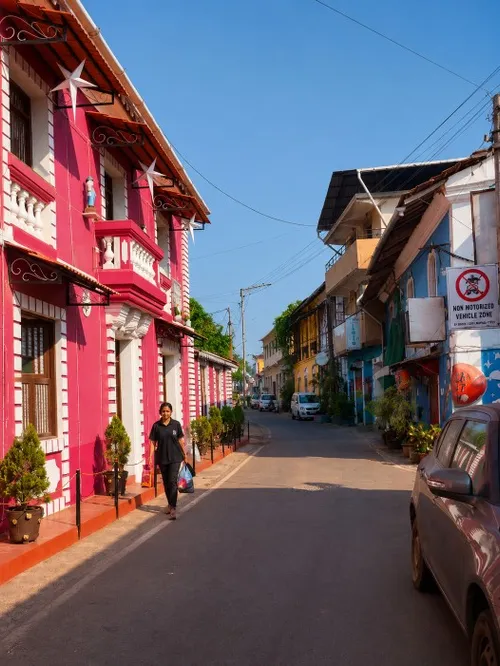
Then I spent a few days wandering through Fontainhas.
The colourful facades, narrow streets, and old Portuguese homes are impossible to ignore, but somehow it was the windows that held my attention.
Not the grand ones.
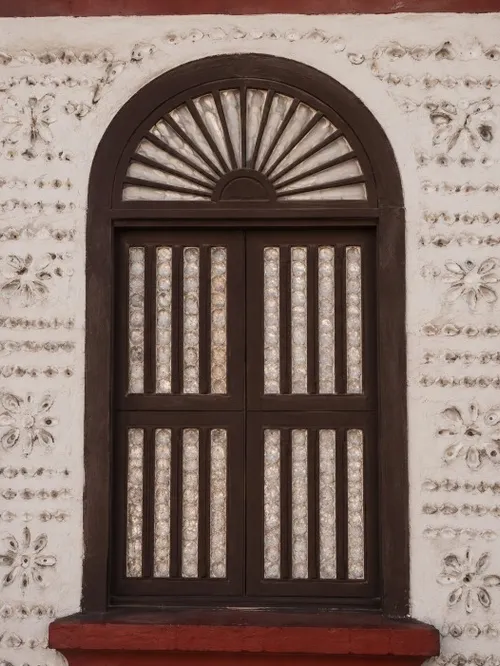
The oyster shell windows.
At a glance, they look almost like stained glass. Light filters through them softly, casting a warm glow into the rooms behind. They feel delicate, decorative, and entirely intentional.
They were also born out of necessity.
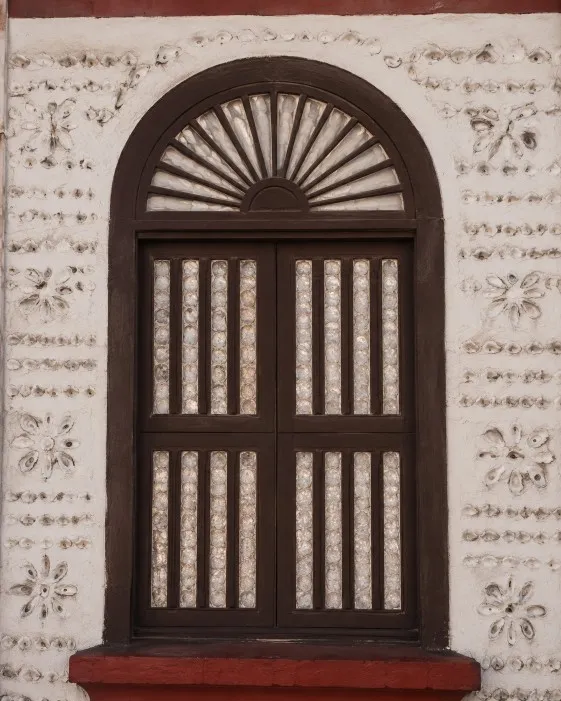
• Bespoke historical execution balancing spatial context with material resourcefulness.
At a time when glass was expensive and inaccessible to many, oyster shells were abundant along the coast. Thin slices were set into wooden frames, creating a practical alternative that allowed light and air into the home while maintaining privacy.
What began as a constraint eventually became part of the architectural identity of the region.
As designers, we often talk about innovation as though it arrives through new technologies, new materials, or new ideas. Yet many of the solutions that endure the longest begin with a much simpler question.
What is already available?
The oyster shell windows are a reminder of that.
They weren’t designed to make a statement. They solved a problem using the resources people had access to at the time. Decades later, they continue to feel distinctive not despite that constraint, but because of it.
Architecture has always been shaped by climate, geography, economics, and necessity. Some of the most enduring details emerge when those conditions are embraced rather than resisted.
Perhaps that’s why the oyster shell windows stayed with me.
At a time when glass was expensive and inaccessible to many, people turned to a material that was abundant around them and transformed it into something both practical and beautiful.
I spent days walking through Fontainhas, yet somehow I keep coming back to the windows.
Further Reading
- Borrowed Taste — A reflection on familiarity, cultural identity, and how frames dictate value in modern Indian design.
- What Makes a Home? — Probing the boundary line between raw spatial frameworks and personal, emotional sanctuaries.
- The Quiet Work of Design — Unpacking the unseen details, heritage artisan struggles, and iterative drawings that define structural execution.