The Things We Make Beautiful
June 16, 2026 By Rishika Miranda
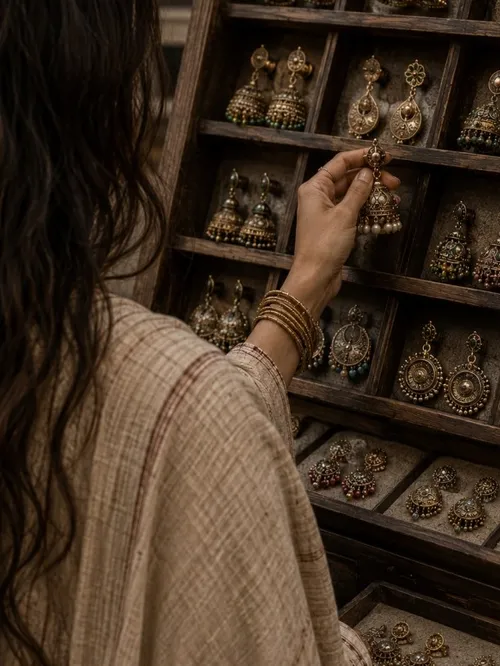
Every morning, I get ready for work and reach for a pair of earrings.
The decision is rarely important, yet I still spend a few moments making it. A familiar pair. Something slightly dramatic. Something that works better with the day ahead than the one before.
It’s such an ordinary ritual that it’s easy to forget jewellery has never been equally available to everyone.
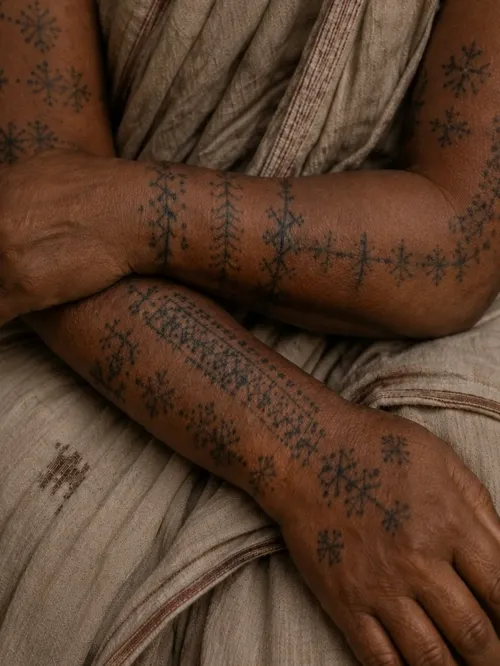
That thought occurred to me while reading about Godna, a traditional tattooing practice found across parts of India.
For many women, particularly those from marginalised communities, jewellery wasn’t always something they could own. It could be taken away, sold, stolen, or denied altogether.
The tattoos could not.
Patterns were marked directly onto the body. Worn every day. Carried through every stage of life.
The more I read, the less it felt like a story about tattoos.
It felt like a story about transformation.
When access to adornment was restricted, adornment found another form.
What could not be worn became part of the body itself.
What might once have been considered a limitation was transformed into something enduring.
The instinct behind it feels surprisingly familiar.
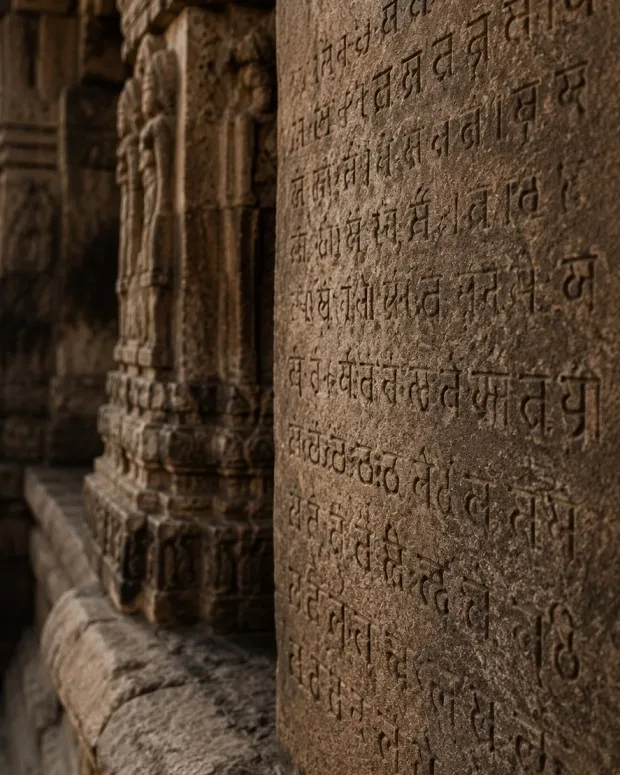
• Bespoke details transforming heavy material constraints into timeless tactile character.
Not because most of us are choosing tattoos over jewellery, but because people have always found ways to transform the things available to them into expressions of identity, beauty, and meaning.
Homes often work the same way.
Some of the most memorable spaces aren’t defined by abundance. They’re shaped by adaptation. A constraint becomes a feature. A limitation becomes a characteristic. A practical decision acquires meaning through time and use.
The Godna traditions carry that same spirit.
The tattoos were never simply decorative.
They carried identity.
Memory.
Belonging.
And perhaps most importantly, permanence.
Jewellery can be removed.
Objects can be lost.
Possessions change hands.
The markings remained.
There is something profoundly human in that impulse.
To take something shaped by circumstance and transform it into something beautiful enough to keep.
Not for a season.
For a lifetime.
Further Reading
- Borrowed Taste — A critical reflection on material choices, architectural progress, and how familiarity often masks true value.
- What Makes a Home? — Exploring how memory, daily spatial rituals, and personal heirlooms build a feeling of belonging.
- What Fontainhas Taught Me About Goa — A look at vernacular architecture and how intense resource constraints generate timeless design identity.